Definition of Gastric Sleeve Surgery
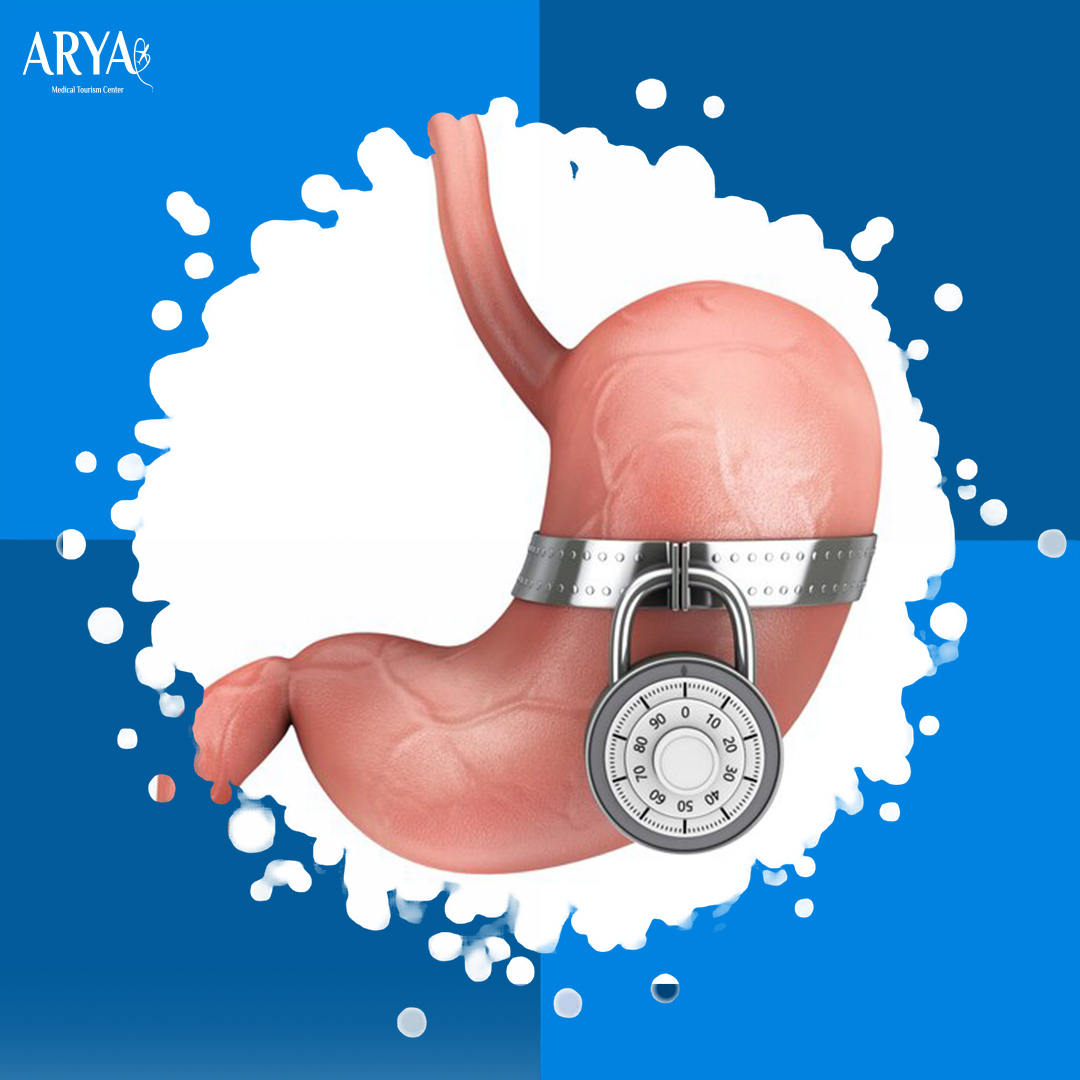
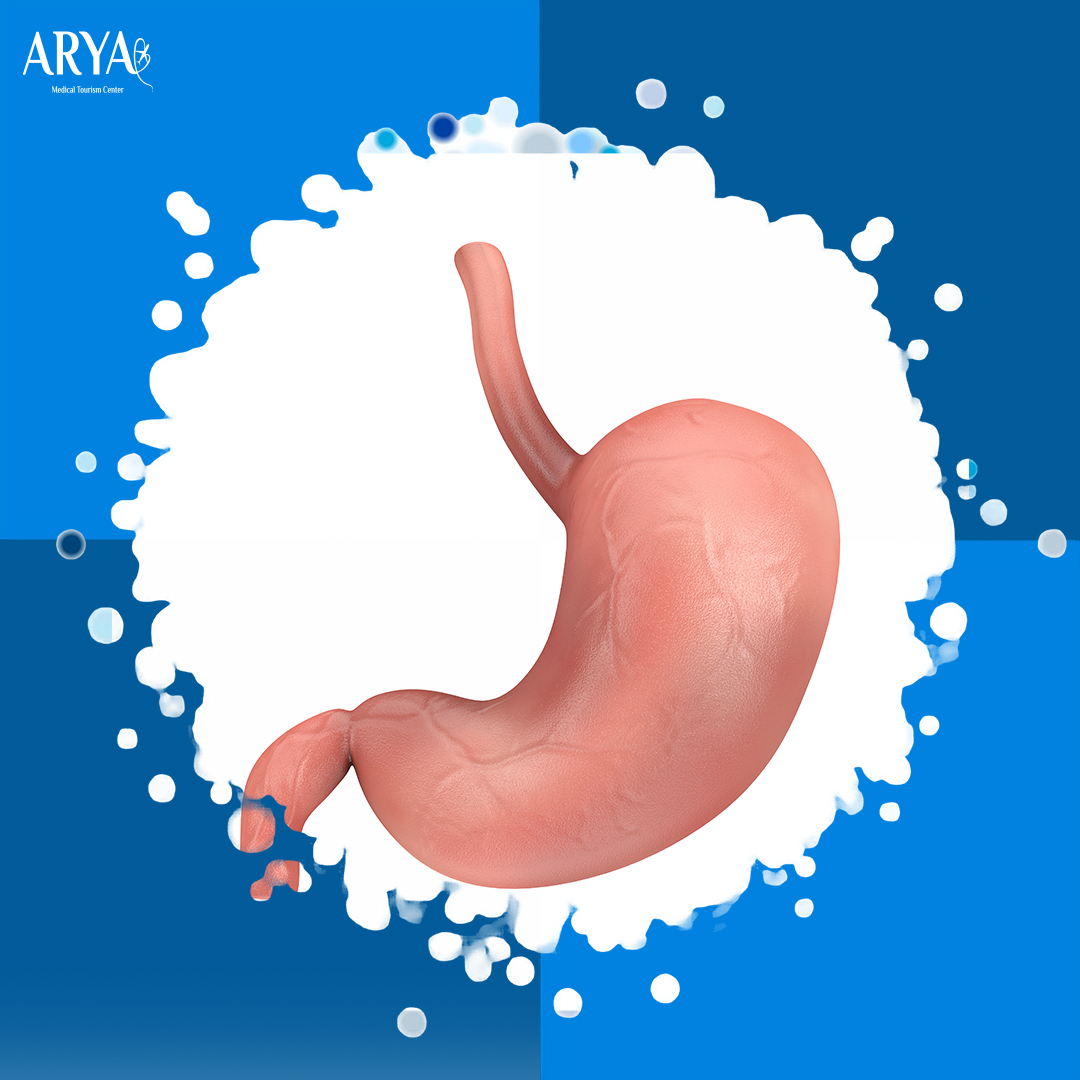
Gastric Sleeve Surgery is a weight-loss procedure in which a large portion of the stomach is surgically removed, reducing its capacity and promoting a feeling of fullness. The remaining stomach is reshaped into a narrow "sleeve" or tube, which helps limit the amount of food intake
Benefits of Gastric Sleeve Surgery
Rapid Weight Loss
Helps achieve significant weight loss within a short period
Improved Health Condition
Can reduce the risk of obesityrelated diseases such as type 2 diabetes, high blood pressure, and heart disease
Increased Energy and Activity
Patients often experience a boost in energy and activity levels after losing excess weight
Enhanced Quality of Life
Weight loss leads to improvements in both physical and mental health
Preparation for Gastric Sleeve Surgery
Consultation with a Specialist
A consultation with a bariatric surgeon is essential to understand the risks and benefits of the procedure
Medical Examinations
Comprehensive health checks are necessary to ensure there are no medical conditions that may complicate the surgery
Dietary Adjustments
Patients are often advised to follow a special diet two to four weeks before surgery
Quit Smoking
It is highly recommended to stop smoking before the procedure to ensure optimal results and reduce risks

Steps of Gastric Sleeve Surgery
Anesthesia
The procedure is performed under general anesthesia
Surgical Procedure
Typically done laparoscopic ally, where about 80% of the stomach is removed
Wound Closure
Incisions are closed using sutures or surgical staples
Recovery After Surgery
Recovery Period
Recovery usually takes two to four weeks depending on the patient's condition
Diet Plan
Patients start with a liquid diet, then gradually move to soft foods, and eventually to solid foods
Medical Follow-Up
Regular follow-ups with the surgeon are crucial to monitor healing and prevent complications
Post-Surgery Tips
Stay Hydrated
Drink plenty of water throughout the day
Eat Small Portions
Opt for smaller, more frequent meals instead of large ones
Avoid Sugary and Fatty Foods
Steer clear of foods high in sugar and saturated fats
Exercise Regularly
Incorporate physical activity into your routine to support weight loss and heart health
Listen to Your Body
Pay attention to your body's signals and stop eating when you feel full
Conclusion
Gastric sleeve surgery is an effective solution for weight loss, but it should always be performed under the supervision of a qualified specialist. Commitment to medical advice and lifestyle adjustments is key to achieving long-term success
Get a free consultation and answers to all your inquiries by submitting the form below
 English
 Arabic
 Turkish
 French