Definition of Dental Crowns
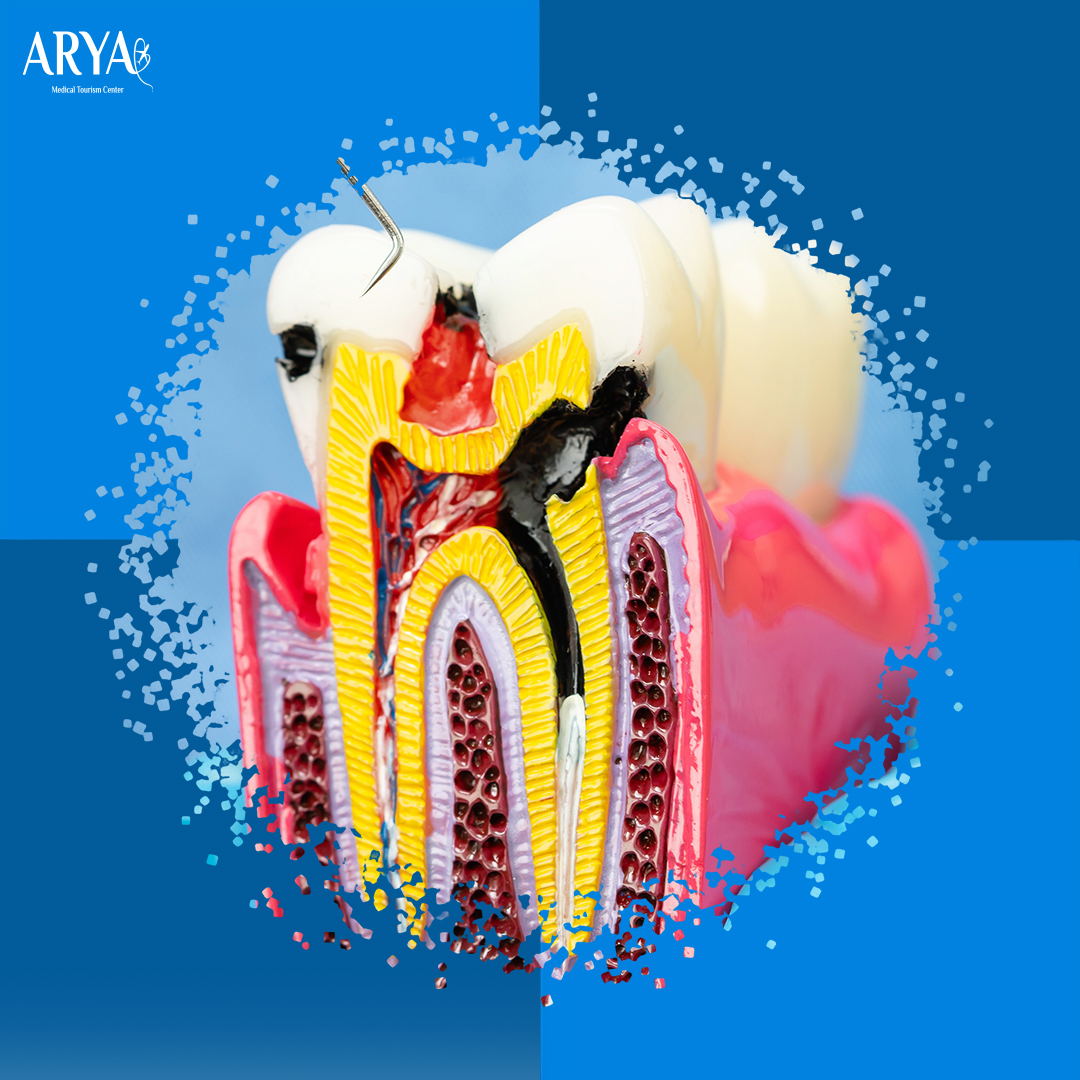
Dental crowns, also known as **dental caps**, are structures made from materials such as porcelain, metal, or composite resins, used to cover a damaged tooth or molar. Crowns aim to restore the shape, size, and  strength of the tooth, as well as improve tooth
Benefits of Dental Crowns
Restoration of Function
Crowns help restore the natural function of damaged teeth, allowing patients to chew food comfortably
Improvement of Aesthetic Appearance
Crowns provide a natural and aesthetic look to teeth, enhancing self confidence
 Protection of Teeth
They offer protection for weak or cracked teeth from further deterioration, reducing the risk of tooth loss
Shape and Size Adjustment
Crowns can be used to modify the shape and size of teeth, contributing to the aesthetic balance of the smile
Treatment of Dental Issues
Dental crowns are used to address problems such as large cavities or broken teeth
Preparation for Dental Crowns
Consultation with the Dentist
A comprehensive consultation with a dentist is required to determine the need for crowns and discuss available options
 Conducting Examinations
X-rays may be necessary to evaluate the condition of the teeth and surrounding bone
Dental Hygiene
Ensuring oral hygiene before the procedure is essential, and the dentist may recommend a professional cleaning
Treatment Planning
A treatment plan will be established, including the type of crown required and when the procedure will take place
Steps in the Dental Crown Procedure
Local Anesthesia
A local anesthetic is applied to the targeted area to reduce pain during the procedure
Tooth Preparation
The dentist removes any decay or damage from the tooth and shapes it to receive the crown
Taking Impressions
Special tools are used to take accurate measurements of the teeth and jaw, which are then sent to the lab to create the crown
 Temporary Crown Placement
If it takes time to make the final crown, a temporary crown will be placed to protect the tooth
Final Crown Installation
Once the final crown is manufactured, it is bonded to the tooth using special adhesives, ensuring a proper fit
 Recovery After the Procedure
Mild Discomfort
Patients may experience mild pain or discomfort after the procedure, and recommended pain relievers can be used
Avoiding Hard Foods
It is advised to avoid hard or hot foods for 24-48 hours after the procedure to prevent pressure on the crown
Monitoring the Crown
Patients should monitor the crown for any signs of irritation or discomfort
Maintaining Oral Hygiene
A good oral care routine should be followed, including brushing and flossing around the crown
Follow-Up with the Dentist
A follow-up visit to the dentist is recommended after a few weeks to ensure the crown is in good condition
Conclusion
Dental crowns are an effective option for restoring the function and aesthetic appearance of damaged teeth. It is essential to follow medical instructions and adequately prepare for the procedure to ensure the best results
Get a free consultation and answers to all your inquiries by submitting the form below
 English
 Arabic
 Turkish
 French