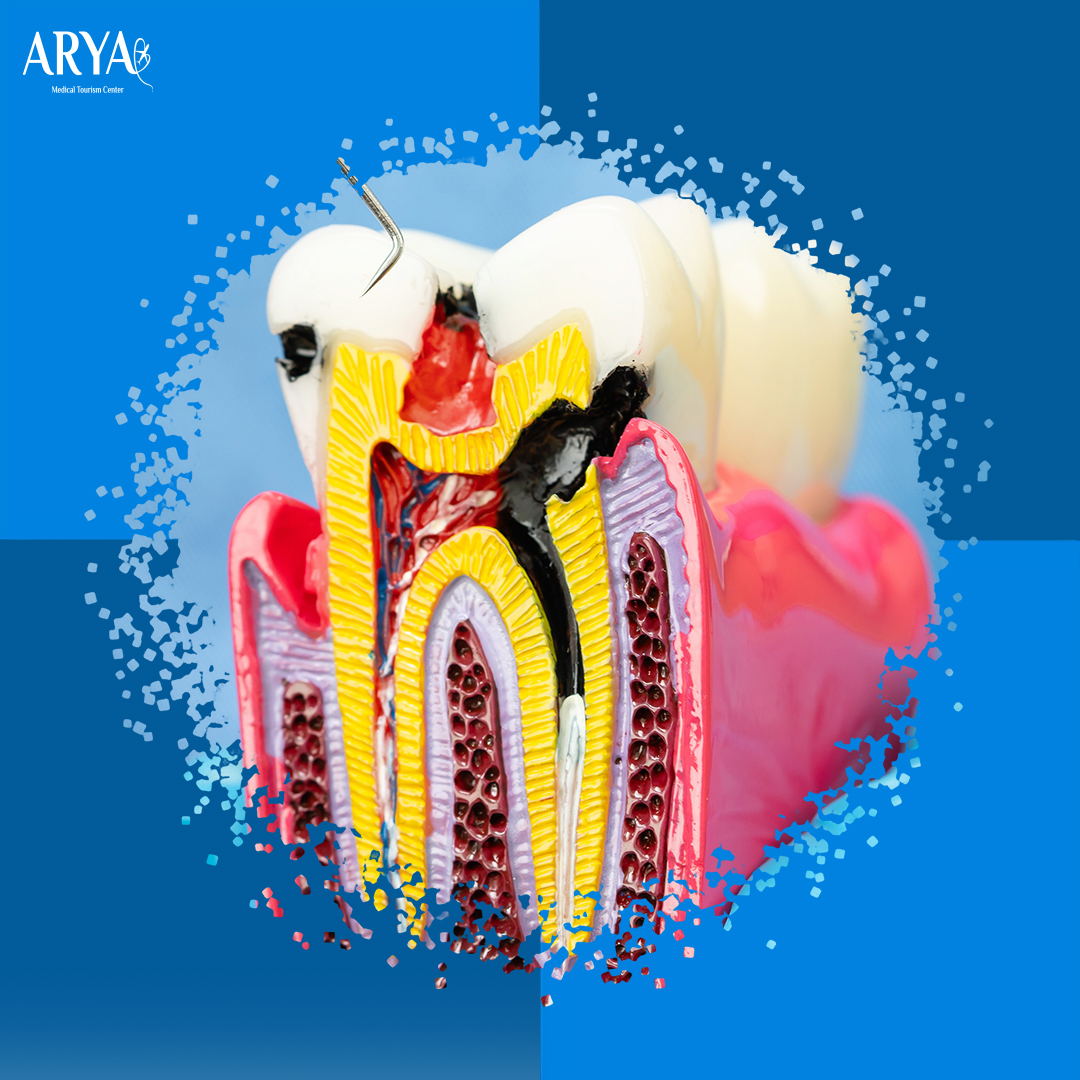
Definition of Orthodontics
Orthodontics is a branch of dentistry that focuses on correcting misalignments of the teeth and jaw. It aims to improve the function of the teeth and enhance the smile's appearance through the use of orthodontic devices that help realign irregular or crooked teeth, leading to an overall improvement in oral health
Types of Orthodontics
Fixed Appliances
Metal Braces
The most common type, consisting of metal brackets attached to the teeth and connected by flexible wires
 Ceramic Braces
Similar to metal braces but made of tooth-colored materials, making them less visible
Lingual Braces
Attached to the inner side of the teeth, making them invisible from the outside
Removable Appliances
Removable Orthodontic Devices Used to correct minor issues like gaps between teeth
Clear Aligners Invisalign
A series of transparent trays used to gradually straighten the teeth
Surgical Orthodontics
Used in more complex cases that require surgery to correct jaw issues
Benefits of Orthodontics
Improving Alignment
 Helps correct tooth and jaw misalignments, facilitating chewing and speaking
Enhancing Aesthetic Appearance
Provides a more attractive smile, boosting self-confidence
Reducing Oral Problems
Helps decrease the risk of tooth decay and gum disease caused by food accumulation in misaligned areas
Improving Breathing
Can assist in improving breathing, especially in cases of jaw misalignment
Facilitating Cleaning
Straightened teeth are easier to clean, reducing the likelihood of plaque buildup
Preparation for Orthodontics
 Consultation with the Dentist
A comprehensive consultation with the dentist is essential to assess health status and determine an appropriate treatment plan
Conducting Examinations
The condition may require X-rays to identify alignment issues and dimensions
Teeth Cleaning
A thorough cleaning of the teeth is recommended before the braces are installed
Discussing Options
Various types of orthodontics should be discussed with the dentist to choose the most suitable one for the case
Steps of Orthodontic Treatment
 Local Anesthesia if necessary
In some cases, local anesthesia may be used to reduce discomfort during the installation of braces
Preparing the Teeth
The teeth are thoroughly cleaned, and adhesive materials are applied to bond the brackets
Installing the Braces
Metal or ceramic brackets are attached to the teeth, and then they are connected with orthodontic wires
Scheduling Follow-Up Appointments
Regular appointments are scheduled to monitor treatment progress and adjust wires as needed
Post-Orthodontic Care Tips
 Oral Hygiene
Adhere to a good oral hygiene routine, including brushing and flossing, especially around the braces
Avoiding Hard Foods
It is advisable to avoid hard or sticky foods that may affect the braces
Using Mouthwash
Mouthwash can help reduce bacteria and inflammation
Being Patient
Achieving final results may take time, so patience is important
Regular Dentist Visits
Keep regular appointments with the dentist to ensure the treatment is progressing correctly
Conclusion
Orthodontics is an effective procedure for improving oral health and aesthetic appearance. It is essential to follow medical instructions and prepare well for the treatment to ensure the best results
Get a free consultation and answers to all your inquiries by submitting the form below
 English
 Arabic
 Turkish
 French