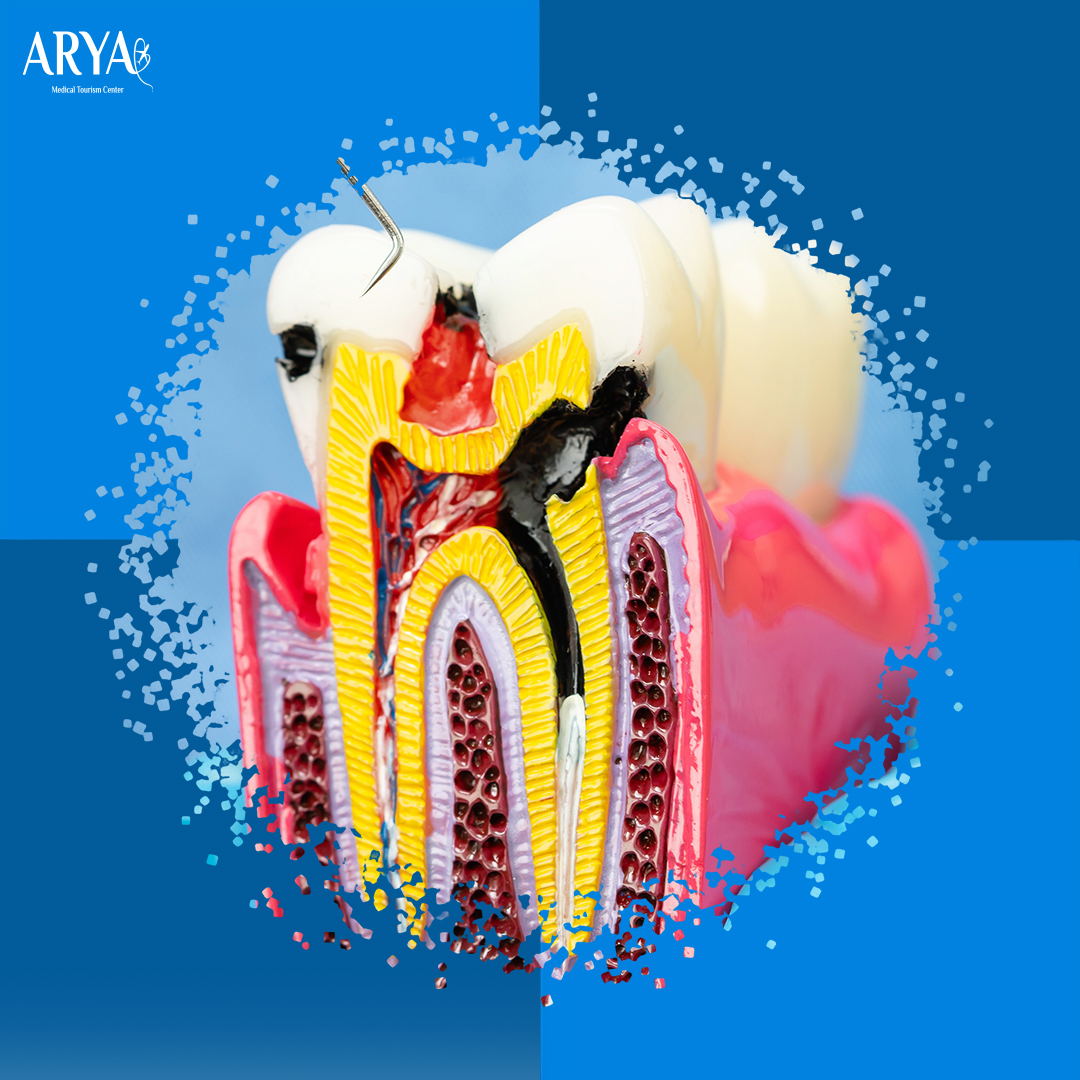
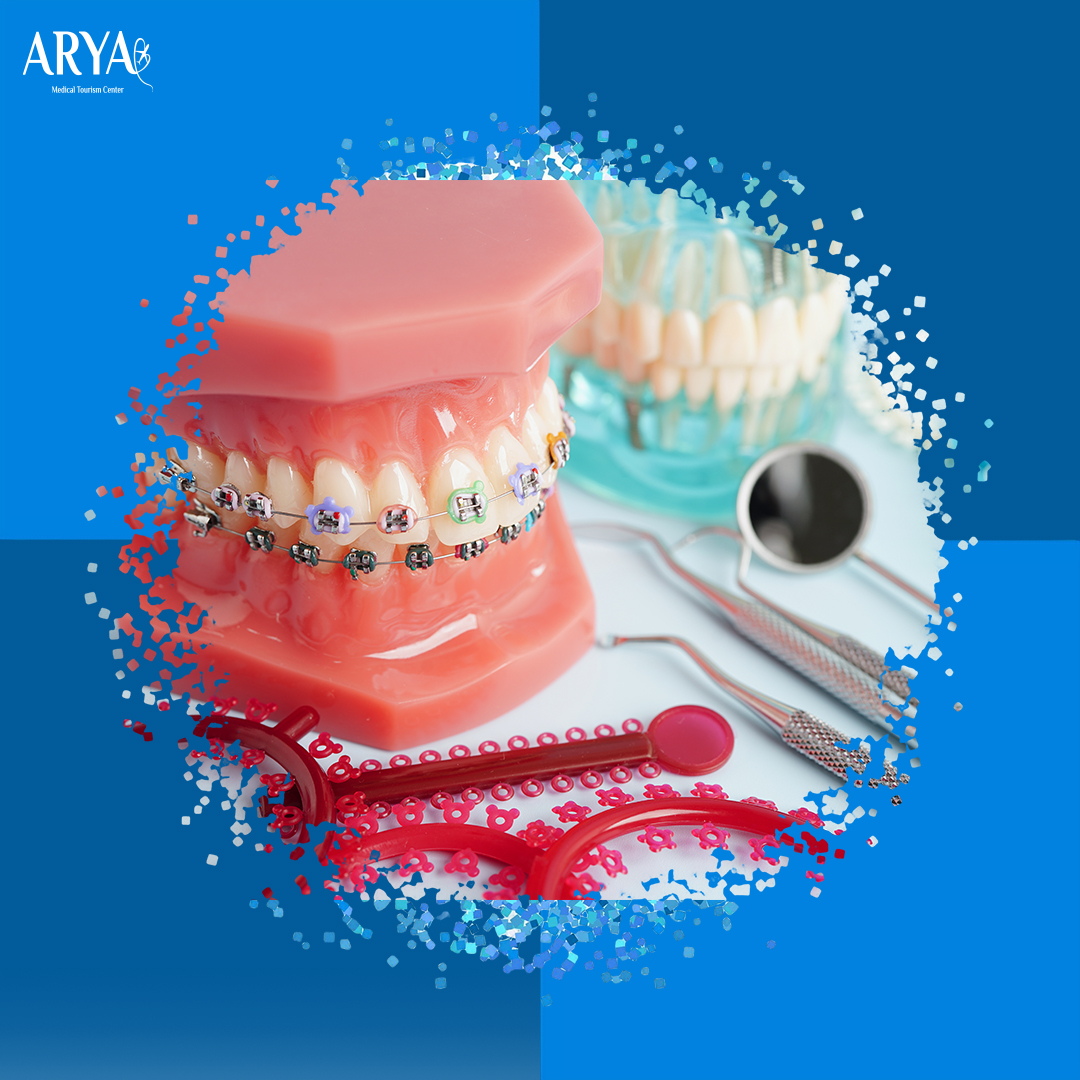
Definition of Dental Implants
Dental implants are a surgical procedure used to replace missing or damaged teeth with artificial ones This process involves inserting permanent implants made of titanium into the jawbone, where they serve as artificial tooth roots. Dental implants are a popular option for restoring smiles and regaining the natural function of the mouth
Benefits of Dental Implants
Restoring Function
Dental implants restore the ability to chew and speak normally, improving the quality of daily life
Improving Aesthetic Appearance
 Dental implants provide a natural and aesthetic look, enhancing self confidence
Protecting Surrounding Teeth
Dental implants prevent bone loss in the jaw resulting from tooth loss, maintaining the health of surrounding teeth
Greater Comfort
Implants offer more comfort compared to removable dentures, as they do not need to be removed or adjusted
Long-Lasting Results
Dental implants are considered a permanent solution, lasting many years with proper care
 Preparation for Dental Implant Surgery
Consultation with the Dentist
A comprehensive consultation with the dentist is essential to assess overall health and examine the mouth and teeth
Conducting Examinations
Examinations may include X-rays or CT scans to evaluate bone density in the jaw
Treatment Planning
A treatment plan will be developed, including the number of implants needed and their placement
Oral Hygiene Procedures
Professional teeth cleaning may be recommended, and hard foods should be avoided before the procedure
Quitting Smoking
It is advisable to stop smoking before surgery to improve healing rates
Steps of Dental Implant Surgery
 Local Anesthesia
Local anesthesia is applied to the targeted area to minimize pain during the procedure
Preparing the Jaw
The dentist makes an incision in the gum to access the jawbone and drills a hole to accommodate the implant
Placing the Implant
The titanium implant is inserted into the jawbone, and the gum is closed around it
Healing Period
The implant requires a healing period (usually 3 to 6 months) to allow the bone to fuse with the implant
Crown Placement
After healing, a crown (artificial tooth) is placed on the implant, completing the shape and function of the tooth
 Recovery After Surgery
Mild Pain
Patients may experience mild pain or discomfort after the procedure, and recommended pain relievers can be used
Avoiding Hard Foods
It is advisable to avoid hard and hot foods for a week after surgery to prevent any pressure on the implant
Oral Care
A good oral hygiene routine should be maintained, including brushing and flossing, to keep the mouth healthy
 Follow-Up with the Dentist
A follow-up visit to the dentist is recommended after a few weeks to ensure the implant is in good condition and that recovery is progressing well
Avoiding Smoking and Alcohol
Smoking and alcohol consumption should be avoided during the recovery period to promote healing and reduce risks
Conclusion
Dental implants are an effective option for restoring the function and aesthetic appearance of missing teeth. It is important to follow medical instructions and adequately prepare for the procedure to ensure the best results
Get a free consultation and answers to all your inquiries by submitting the form below
 English
 Arabic
 Turkish
 French